Navigating property records can be a complex task, especially when you need documentation that is legally binding. Whether you are dealing with a property sale, a tax appeal, or a simple ownership verification, relying on unofficial sources can lead to significant delays.
This guide serves as a straightforward roadmap for obtaining official, certified property records directly from Lorain County, Ohio, ensuring you have the accurate data required for your specific needs.
Understanding Your Documentation Needs
Before starting your search, it is helpful to clarify what level of documentation your situation requires. Not every document needs to be a certified copy, and understanding the difference can save you both time and money.
1. Informational Records
These are the general snapshots of property data, such as tax summaries, basic parcel info, and valuation history. These are perfect for quick research or planning, but they are not intended for legal use.
2. Certified Copies
If you are moving forward with a legal transaction such as a court filing, mortgage application, or formal tax protest you will need a certified copy. These documents feature an official county seal or signature, confirming their authenticity. They are recognized by legal and financial institutions as the definitive record of the property.
Where to Source Your Records
Lorain County manages property records through two distinct offices. Knowing which one to contact ensures you get the right document the first time.
The Auditor’s Office: Your Resource for Tax & Valuation Data
The Lorain County Auditor’s office is the primary source for financial assessments and land mapping. You should prioritize this office if you are looking for:
- Property Tax Summaries: Details regarding current tax liabilities and payment history.
- Valuation Data: Information on how the county has appraised the property for tax purposes.
- GIS and Mapping: Interactive maps that outline parcel boundaries and land features.
The Recorder’s Office: Your Resource for Legal Title Documents
When you need to prove ownership or establish the legal history of a plot of land, the Recorder’s office is your destination. They hold the archive for:
- Deeds: Including warranty, quitclaim, and fiduciary deeds that establish legal ownership.
- Mortgages and Liens: Documents that detail financial claims against the property.
- Plat Maps: Official, surveyed maps that define legal boundaries for development.
The Official Request Workflow
To obtain a document effectively, we recommend following this professional sequence:
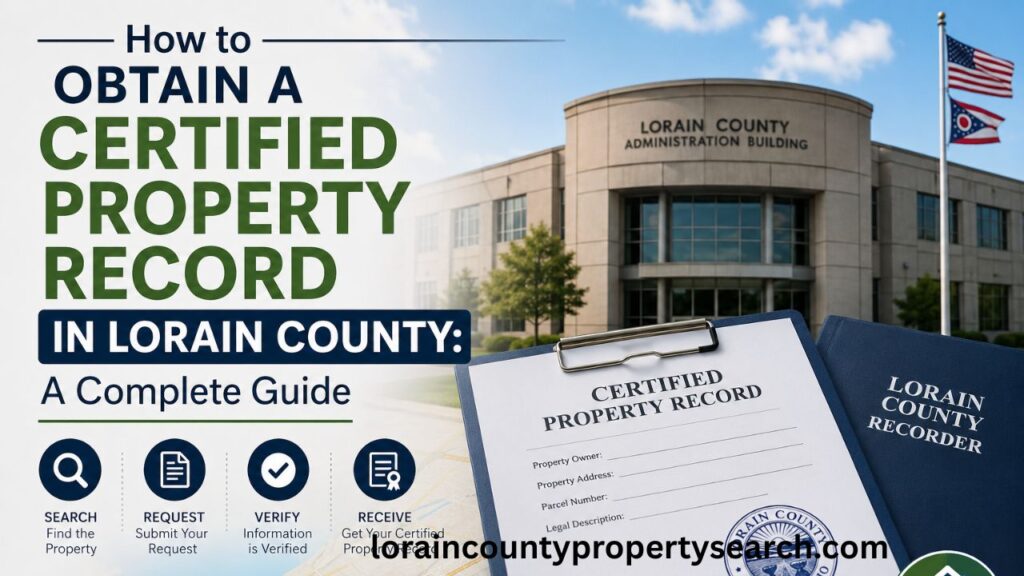
Step 1: Identify the Parcel via PIN
Avoid searching by street address whenever possible. Addresses can change or be subject to data entry errors. The Parcel Identification Number (PIN) is the most reliable way to ensure you are analyzing the correct plot of land. You can find this number easily on your tax bill or the county’s public GIS portal.
Step 2: Utilize the Recorder’s Search Database
The county provides an online search portal specifically for recorded documents. Use this tool to look up your parcel. If you find the specific “Instrument Number” for the deed or mortgage you need, your request will be processed much faster by the clerk.
Step 3: Formal Request and Certification
When you are ready to obtain the copy, the online system allows you to select the “Certified” option. This adds a layer of verification required for legal filings. Once you complete the payment through the secure portal, you will receive the document usually in a digital format or via mail, depending on your choice.
Best Practices for Property Research
To ensure your research is thorough and compliant with local standards, keep these professional tips in mind:
- Avoid Third-Party Aggregators:
While sites like Zillow are helpful for basic browsing, they often rely on syndicated data that may not reflect the most recent filings. Always treat the county’s official portal as your only source of truth. - Review Recorded Dates:
Always check the “Last Recorded Date” on any document. If a property recently changed hands, it may take a few weeks for the records to fully reflect the transfer. - Consult Professionals for Complex Cases:
If your property record search involves resolving a title dispute, multiple liens, or a commercial development project, it is wise to consult a real estate attorney. They can help interpret legal jargon and ensure all filings are correct.
Efficiently handling property documents requires the right gear. For professionals, I highly recommend checking out these [Essential Office Tools] that help speed up the scanning and filing process.
Conclusion
Successfully obtaining property records in Lorain County relies on using the right official channels. By focusing on the Auditor and Recorder portals, you ensure that your documentation is accurate, current, and legally sound. Whether you are a first-time homebuyer or a seasoned real estate investor, these steps will help you navigate the process with confidence and professional ease.
For spatial context on your land boundaries, visit our guide on GIS Parcel Mapping for deeper insights.
FAQs
Q: Is there a cost to get a certified copy?
Yes. While browsing basic data on the portal is generally free, issuing a certified copy with an official seal involves a fee set by the county to cover administrative processing.
Q: What should I do if my document isn’t appearing in the online search?
Not all historical property documents have been digitized. If you are researching a property with a very old history, you may need to reach out to the office directly or visit the Lorain County Administration Building to conduct a manual search.
Q: Does a certified record expire?
While the information on the document is historical, most financial institutions and courts will require a “fresh” copy to ensure the title status hasn’t changed. Typically, documents dated within the last 30 to 90 days are preferred.
Q: Can I check my own property tax status online?
Yes, the Lorain County Auditor’s portal provides real-time access to tax status, current levies, and payment deadlines for any parcel in the county.
Q: Can I be notified if a document is recorded against my property?
Yes. The Lorain County Recorder’s office offers a “Property Alert” program (often called AlertME). By registering your name or parcel number, you will receive an email notification whenever a document such as a deed or lien is recorded in your name, which helps protect against potential property fraud.