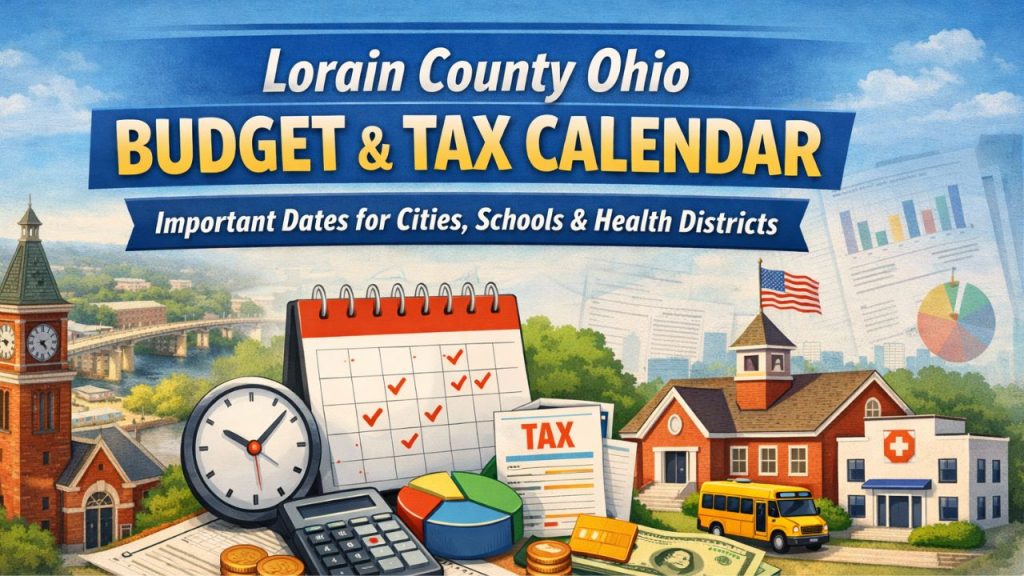
Local governments such as cities, townships, villages, schools, and health districts follow a strict financial calendar every year. These budget and taxation deadlines help ensure transparency, accurate tax collection, and responsible public spending.
Understanding these important government financial dates is essential for taxpayers, government officials, and researchers who want to track how public funds are planned and used. This guide explains each deadline, its purpose, and what actions are required, along with organized tables for easy understanding.
Why These Government Budget Dates Matter
Local governments must follow a structured budgeting process to manage public funds. These deadlines help authorities:
- Plan the annual government budget
- Track unspent funds from the previous year
- Approve tax rates for property taxes
- Adjust budgets when revenue changes
- Ensure financial accountability
These deadlines are usually followed in counties and municipalities across the United States, including places like Lorain County and other Ohio jurisdictions where local governments must submit financial documents to the county auditor.
When governments follow these timelines correctly, it ensures that taxpayer money is properly allocated for services such as schools, roads, police, libraries, and health departments.
Budget Calendar for Cities, Villages, Townships, Special Districts & Libraries
These entities manage services such as public safety, utilities, libraries, and infrastructure. Their financial planning follows a yearly schedule.
Key Budget Deadlines
| Date | Government Action | Purpose |
|---|---|---|
| December 31 (or last business day) | Temporary or Permanent Appropriations | Allows government departments to spend funds at the start of the next fiscal year before the full budget is finalized |
| January 1 (approx.) | Unencumbered Balances | Reports leftover funds that were not spent in the previous year |
| April 1 | Permanent Appropriations | Official approval of the final yearly budget |
| July 20 | Budget for the Following Year | Departments submit financial plans for the upcoming fiscal year |
| October 1 (or November 1 if extended) | Resolution Accepting Tax Rates | Local authorities approve property tax rates for the next year |
| December 31 | Estimated Resource or Appropriation Revisions | Adjustments made to the current year’s budget if revenues change |
What Each Budget Step Means
Temporary or Permanent Appropriations (December 31)
At the end of the year, local governments approve temporary spending authority so operations can continue while the full budget is still being finalized.
Without this step, departments like police, fire, or public works would not legally be allowed to spend money in January.
Unencumbered Balances (Around January 1)
Unencumbered balances represent unused funds from the previous fiscal year.
These balances help governments:
- Carry forward unused funds
- Adjust next year’s budget
- Maintain financial stability
For example, if a city allocated $1 million for road repairs but only used $800,000, the remaining $200,000 becomes an unencumbered balance.
Permanent Appropriations (April 1)
Permanent appropriations are the final approved government budget for the year.
This document outlines how much money each department can spend on:
- Public safety
- Infrastructure
- Parks and recreation
- Administration
- Community services
Once approved, spending limits are legally enforced.
Budget Submission for the Following Year (July 20)
By mid-summer, departments begin planning for the next fiscal year.
They submit detailed proposals that include:
- Expected expenses
- Project funding
- Staffing costs
- Capital improvement plans
This early planning allows financial offices and auditors to review requests before tax rates are determined.
Resolution Accepting Tax Rates (October 1)
Local governments must formally approve property tax rates that will be used to collect taxes from residents.
Property taxes fund services such as:
- Schools
- Libraries
- Police and fire departments
- Public health programs
- Road maintenance
If the deadline is extended, this resolution may be approved as late as November 1.
Budget Revisions (December 31)
Sometimes government revenues change during the year.
For example:
- Property tax collections may increase
- Federal grants may be received
- Emergency spending may occur
By December 31, governments must revise estimated resources or appropriations to reflect the actual financial situation.
Budget Calendar for Health Districts
Health districts manage public health services such as disease prevention, inspections, and emergency health response.
Their budgeting schedule is slightly different.
Health District Budget Deadlines
| Date | Government Action | Purpose |
|---|---|---|
| December 31 | Temporary or Permanent Appropriations | Allows the health department to operate at the start of the new year |
| April 1 | Permanent Appropriations | Final approval of the yearly health district budget |
| First Monday in April | Budget for Following Year | Submission of next year’s health department financial plan |
| May (within 30 days of hearing) | Resolution Accepting Tax Rates | Approval of tax rates after the public budget hearing |
Explanation of Health District Budget Process
Health districts must prepare budgets earlier because they deal with public health programs and emergency services.
Their budget planning covers:
- Disease control programs
- Restaurant and water inspections
- Community health initiatives
- Public health staffing
- Emergency preparedness
After a public budget hearing, the district board approves the tax rate resolution within 30 days.
School District Budget Calendar
School districts follow a different fiscal schedule because their academic year and fiscal year operate differently from cities or counties.
School Financial Deadlines
| Date | Government Action | Purpose |
|---|---|---|
| January 20 | Budget for New Fiscal Year | School district submits next fiscal year’s financial plan |
| April 1 (or May 1 if extended) | Resolution Accepting Tax Rates | Approval of school tax rates |
| June 30 | Temporary or Permanent Appropriations | Allows schools to spend funds in the new fiscal year |
| July 1 | Unencumbered Balances | Reports leftover school funds |
| October 1 | Permanent Appropriations | Final approval of school district budget |
| June 30 | Budget Revisions | Adjustments to the current fiscal year budget |
Why Schools Have a Different Budget Schedule
School districts often operate on a July–June fiscal year, which matches the academic calendar.
Their budgets must account for:
- Teacher salaries
- Transportation services
- School facility maintenance
- Student programs
- Educational technology
- Administrative costs
Because education is heavily funded through property taxes, the approval of tax rates is a critical step in the process.
How These Budget Deadlines Affect Taxpayers
These financial deadlines directly impact residents because they determine:
- Property tax rates
- Government spending priorities
- School funding levels
- Public service budgets
- Infrastructure investments
For example, when a local government approves a tax rate resolution, it directly affects the amount homeowners will pay in property taxes the following year.
Role of County Auditors in the Budget Process
Many local government budgets must be reviewed by a county auditor’s office before they become official.
For example, the Lorain County Auditor oversees financial reporting and ensures that local governments follow state budgeting laws.
County auditors typically:
- Review financial statements
- Verify tax calculations
- Monitor government spending limits
- Maintain public financial records
This oversight helps ensure transparency and accountability in public finances.
Key Takeaways
The government budgeting calendar ensures that local governments operate efficiently and responsibly throughout the year.
Important milestones include:
- December 31 – Temporary appropriations and budget adjustments
- January 1 – Reporting unused funds
- April 1 – Final approval of government budgets
- July 20 – Planning next year’s finances
- October 1 – Property tax rate approval
These deadlines allow cities, schools, and health districts to plan spending, set tax rates, and maintain financial stability while serving their communities.
Understanding these dates helps taxpayers and researchers better track how local governments manage public funds and property taxes.
FAQs
What is the budget and tax calendar for Lorain County Ohio cities and schools?
The budget and tax calendar in Lorain County Ohio outlines key dates for submitting budgets, approving appropriations, and setting property tax rates for cities, schools, and health districts.
When do Lorain County cities approve permanent appropriations?
Cities, villages, and townships in Lorain County Ohio approve permanent appropriations by April 1st each year, finalizing departmental spending limits.
What are unencumbered balances in Lorain County budgets?
Unencumbered balances represent leftover funds from the previous fiscal year, reported around January 1st, and can be carried forward for the next year’s budget.
When do schools in Lorain County approve their property tax rates?
School districts approve property tax rates by April 1st, or May 1st if extended, following the annual budget submission and public hearing.
How does the health district budget schedule differ from cities?
Health districts submit budgets by the first Monday in April, approve permanent appropriations by April 1st, and resolve tax rates within 30 days after the budget hearing in May.
Why are these budget and tax deadlines important for residents?
These deadlines determine property tax rates, school funding, public service budgets, and overall government spending, directly impacting Lorain County taxpayers.
What is the role of the Lorain County Auditor in the budget process?
The Lorain County Auditor reviews submitted budgets, verifies tax calculations, monitors spending, and ensures local governments comply with Ohio state law.
Can estimated resources and appropriations be revised during the year?
Yes, revisions are made by December 31st to adjust budgets based on actual revenue changes, federal grants, or emergency expenditures.
What is the difference between temporary and permanent appropriations?
Temporary appropriations allow departments to spend funds at the start of the fiscal year, while permanent appropriations finalize legal spending limits for the year.
How can residents track Lorain County budget and tax deadlines?
Residents can monitor official Lorain County websites, public notices, or county auditor announcements for updated deadlines, meetings, and tax rate approvals.